
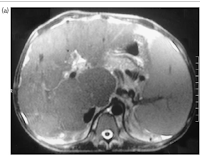
Clinical scenario: A 19-year-old male was referred to our hospital with breathlessness on exertion and fatigue for 1 year and a history of gastrointestinal bleeding. Three months prior to this presentation, he had three episodes of painless hematemesis and was found to have variceal bleeding. He was transfused with four units of blood and was subjected to two sessions of variceal band ligation.
Continue reading He was wrongly diagnosed as chronic liver diseaseCategory Archives: Yenepoya Medical College
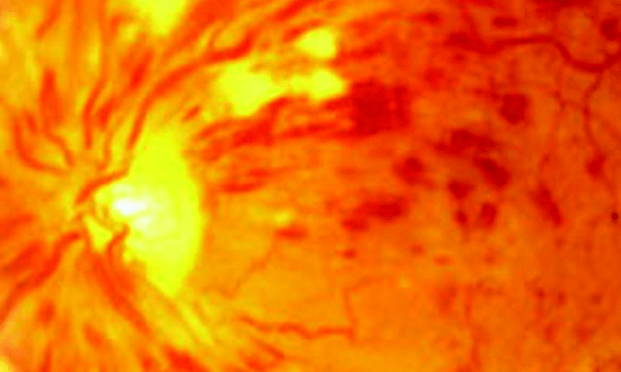
Doc! I can not see, he suddenly cried!
Clinical scenario : A 48-year-old, obese, non-diabetic male presented to our clinic with history of abdominal distension and generalized edema of 1-month duration. He denied history of fever, jaundice, breathlessness or similar history in the past.
Continue reading Doc! I can not see, he suddenly cried!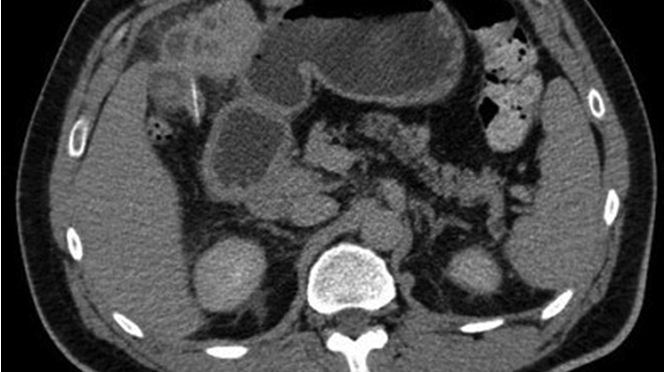
Recurrent liver abscess
Clinical scenario : A 48 yr old male presented with h/o Fever and abdominal pain of 10 days duration On examination he was conscious oriented and had stable vitals , temp 38° C ,he had mild hepatomegaly , rest of clinical examination was unremarkable Investigation: WBC 12,0000 Liver function test normal. An ultrasound revealed Liver abscess .Patient was given Antibiotics and abscess was drained .He became a febrile and was discharged home.
Continue reading Recurrent liver abscess
Exercise
Today we discuss about exercise, a wonderful medicine to take care of your body.
Benefits of exercise
It can reduce your risk of major illnesses, such as heart disease, stroke, type 2 diabetes and cancer by up to 50% and lower your risk of early death by up to 30%. Exercise is the miracle cure we’ve always had, but for too long we’ve neglected to take our recommended dose. Our health is now suffering as a consequence.
Continue reading Exercise
Bleeding from the bottom
A small amount of one-off bleeding from the bottom isn’t usually a serious problem. But never ignore it.
You might be bleeding from the bottom if you have:
- Blood on your toilet paper.
- Red streaks on the outside of your poo.
- Pink water in the toilet bowl.
- Blood in your poo or bloody diarrhea.
- Very dark, smelly poo (this can be blood mixed in poo).
A small amount of one-off bleeding can often go away on its own without needing treatment.
Continue reading Bleeding from the bottom
Bowel preparation for colonoscopy
Diet, tips and instructions for a smooth colonoscopy preparation
- Colon cancer is treatable when detected early Colonoscopy is worth the hassle.
- It can also detect and remove polyps, small growths that can develop into colon cancer.

Patient instruction for UGI endoscopy
Upper GI endoscope is a tiny camera at the tip of a thin tube that transmits images to a video monitor in the exam room. It detects problems in food pipe, stomach, and duodenum. If you are suffering from unexplained abdominal pain, difficulty in swallowing or excessive fatigue, weight loss or loss of appetite. This procedure will help to know the problem
Instructions before the procedure for the patient undergoing this procedure.
Continue reading Patient instruction for UGI endoscopy
Diarrhea tips
Diarrhea is where you frequently pass watery or loose poo. Some people may also have other symptoms, depending on the cause. It affects most people from time to time and is usually nothing to worry about. However, it can be distressing and unpleasant until it passes, which normally takes a few days to a week. The excessive loss of water in your poo can also sometimes lead to symptoms of dehydration, which can be serious if it’s not recognised and treated quickly.
Continue reading Diarrhea tips
Fatty Liver and it’s management
We get a lot of messages from friends regarding Fatty liver. Here is what you need to know.
Non-alcoholic fatty liver disease (NAFLD) is the term for a range of conditions caused by a build-up of fat in the liver. It’s usually seen in people who are overweight or obese. A healthy liver should contain little or no fat. Early-stage NAFLD doesn’t often cause any harm, but it can lead to severe liver damage, including cirrhosis if it gets worse.
Continue reading Fatty Liver and it’s managementWorkshop on “Infectious Disease Outbreak Investigation and Surveillance” held at Yenepoya Medical College.
Training in “Infectious Disease Outbreak Investigation and Surveillance” is a key competency required for all practitioners of Public Health. The potential ability to engage fully in surveillance, mount an effective public health emergency response and undertake preparedness activities is important for international health security. This training programme was an effort by the Departments of Community Medicine, Public Health and Hospital Administration, Yenepoya Medical College, Yenepoya University, Mangaluru.The aim of this project was to enhance public health emergency preparedness and response skills using three interrelated components: enhancing knowledge; improving skills; and, building networks.
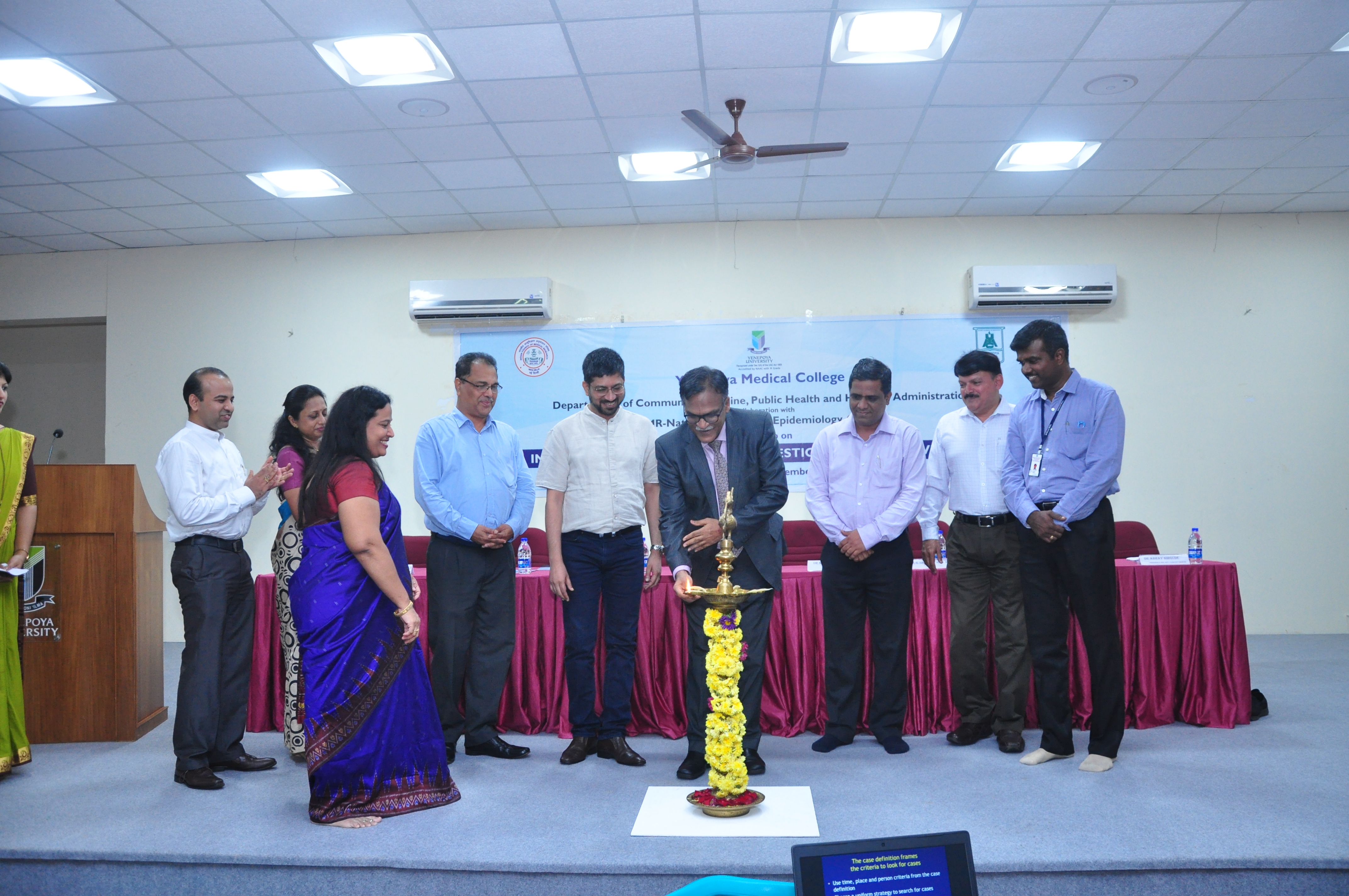
This 3-day intensive workshop on “Infectious Disease Outbreak Investigation and Surveillance” was conducted between 20th to 22nd September 2017 and was inaugurated by Dr. M. Vijaya Kumar, Honourable Vice Chancellor, Yenepoya University. The programme received a good response in terms of participation, a total of 46 postgraduate trainees and faculty of Community Medicine and Public Health from various Medical Colleges of Karnataka, Maharashtra and Kerala participated in the workshop. The sessions at the workshop were delivered by two eminent resource persons, Dr. Tarun Bhatnagar and Dr. Manickam Ponnaiah, both working as Scientist ‘E’ at the ICMR- National Institute of Epidemiology, Chennai. Dr. Abhay S Nirgude, Professor and Head, Department of Community Medicine and Dr. Siddharudha Shivalli, Associate Professor and In-Charge Head, Department of Public Health, Yenepoya Medical College.
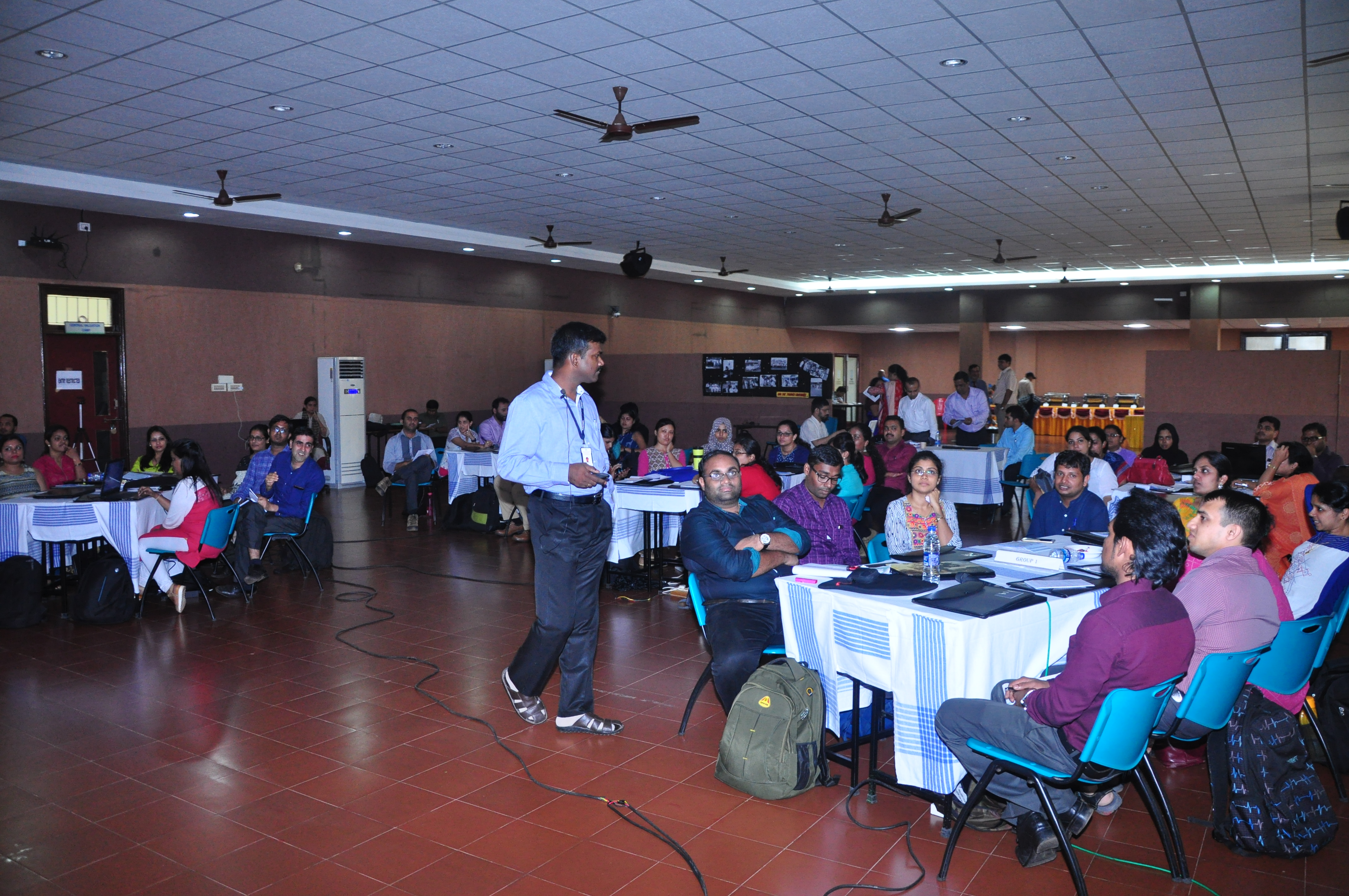
The course was delivered using a variety of teaching and learning methods including lectures, interactive group work amongst participants, one-to-one discussions and self-directed study. The participants were trained about the salient principles of outbreak investigation and surveillance at the workshop. An outbreak simulation exercise was conducted to give the participants a practical experience in a virtual setting. Data entry and analysis using the Epi Info software was taught through a hands-on approach.
All the participants were actively involved in the sessions and gave a positive feedback at
the end of the programme.
 Yenepoya Education News Portal